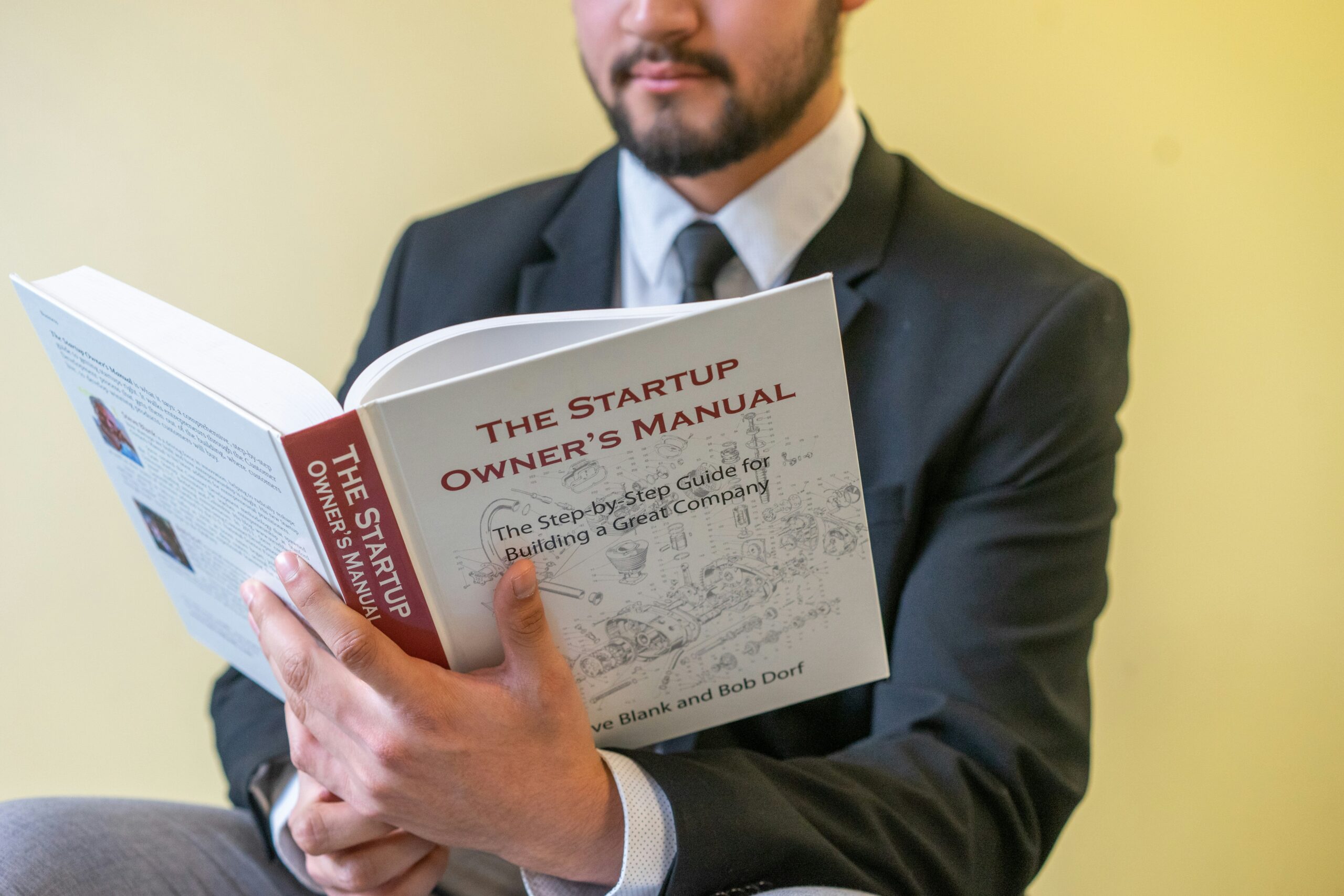
For aspiring Certified Private Wealth Advisors, building a strong knowledge base is the first step toward long-term success. The private wealth management field demands a deep understanding of investments, behavioral finance, risk management, and client psychology. Reading authoritative books helps bridge the gap between academic theory and real-world advisory practice.
In addition, these books develop critical thinking and decision-making skills that are essential when working with high-net-worth clients. As financial markets evolve rapidly, continuous learning becomes a competitive advantage for any future wealth advisor.
The Intelligent Investor – Benjamin Graham
This timeless classic remains one of the most influential books in modern finance. Benjamin Graham introduces the concept of value investing, emphasizing discipline, patience, and emotional control in the market.
Moreover, the idea of “margin of safety” is especially important for wealth advisors managing client portfolios. It teaches professionals how to minimize downside risk while still pursuing long-term returns. As a result, this book forms a core foundation for responsible investment decision-making.
A Random Walk Down Wall Street – Burton G. Malkiel
This book challenges traditional active investing strategies by presenting the efficient market hypothesis in a clear and practical way. It explains why consistently beating the market is extremely difficult.
Furthermore, Malkiel strongly advocates for index investing and diversification as reliable wealth-building tools. Consequently, aspiring CPWAs learn how to construct low-cost, efficient portfolios that align with long-term financial goals.
Common Stocks and Uncommon Profits – Philip Fisher
Philip Fisher’s work focuses on identifying high-quality companies with strong long-term growth potential. His investment philosophy blends quantitative analysis with qualitative insights.
In addition, Fisher highlights the importance of management quality and innovation in business success. Therefore, wealth advisors gain valuable tools for selecting investments that offer sustainable growth for their clients.
Principles – Ray Dalio
Ray Dalio presents a systematic approach to decision-making that is based on logic, transparency, and structured thinking. His principles are widely used in institutional investing environments.
Equally important, Dalio emphasizes learning from mistakes and building resilient systems. As a result, private wealth advisors can apply these lessons to both portfolio strategy and client advisory processes.
Thinking, Fast and Slow – Daniel Kahneman
Daniel Kahneman’s groundbreaking book explores how humans think in two systems: fast, intuitive thinking and slow, analytical thinking. These cognitive patterns heavily influence financial decisions.
Moreover, understanding behavioral biases such as overconfidence and loss aversion helps advisors manage client emotions effectively. Consequently, CPWAs can guide clients toward more rational and disciplined investment choices.
The Millionaire Next Door – Thomas J. Stanley and William D. Danko
This book provides surprising insights into the habits of wealthy individuals in America. It reveals that most millionaires build wealth through discipline, not luxury spending.
In addition, the authors highlight frugality, consistency, and long-term planning as key wealth-building behaviors. Therefore, advisors can better align financial strategies with real-world client behavior and expectations.
The Little Book of Common Sense Investing – John C. Bogle
John Bogle’s philosophy centers on simplicity, low costs, and long-term investing through index funds. His approach has transformed modern portfolio management.
Furthermore, the book emphasizes that minimizing fees and avoiding speculation can significantly improve returns over time. As a result, aspiring CPWAs can design more efficient and transparent investment portfolios.
Security Analysis – Benjamin Graham and David Dodd
This advanced investment text provides a deep dive into financial statement analysis and valuation techniques. It is widely regarded as essential reading for serious finance professionals.
Additionally, it teaches advisors how to evaluate bonds, stocks, and complex securities with precision. Consequently, CPWAs develop stronger analytical skills for managing sophisticated client portfolios.
The Psychology of Money – Morgan Housel
Morgan Housel explores how human behavior shapes financial outcomes more than technical knowledge alone. The book is filled with real-world stories that highlight emotional decision-making.
Moreover, it emphasizes that patience, humility, and consistency are key to long-term wealth building. Therefore, advisors can better understand client psychology and improve financial planning outcomes.
Private Wealth Management: The Complete Reference for the Personal Financial Planner – G. Victor Hallman and Jerry Rosenbloom
This comprehensive reference book covers tax planning, estate management, retirement strategies, and investment planning in detail. It serves as a practical guide for professionals in wealth advisory roles.
In addition, it provides structured frameworks for handling complex financial situations faced by high-net-worth clients. As a result, aspiring CPWAs gain a complete toolkit for delivering holistic financial planning services.
Your Money or Your Life – Vicki Robin and Joe Dominguez
This influential book encourages readers to rethink their relationship with money and personal fulfillment. It connects financial decisions with life values and long-term happiness.
Furthermore, it introduces practical steps toward financial independence and mindful spending. Consequently, wealth advisors can help clients achieve not only financial success but also meaningful life balance.